

Which Hyaluronic Acid Is Right for Your Skin?
Not all hyaluronic acid serums are the same, and the most expensive one is not automatically the right one for you. Here is how to match your HA to what your skin is actually doing.
Hyaluronic acid is one of the most recommended ingredients in skincare, and one of the most misunderstood. It gets treated as a single thing, as though every hyaluronic acid serum does the same job. They do not. And the most expensive one on the shelf is not automatically the right one for your skin.
The secret is to choose your hyaluronic acid based on what your skin is actually doing, not on the ingredient name on the bottle. Here is how to find your match.
First, What Hyaluronic Acid Actually Does
Hyaluronic acid is a humectant. It draws water into the skin and holds it there, so the surface looks plumper, smoother and more comfortable. Your skin makes its own, but levels fall with age and take a hit from sun, pollution and a compromised barrier. A good hyaluronic acid serum tops that reservoir back up.
Meet the Four: Find Your Match
At theskinbay, our four most-loved hyaluronic acid serums each work a little differently. One plumps and firms, one hydrates without any weight, one calms redness, and one smooths texture. Find the one that matches what your skin needs most.
Plump and firm: H.A. Intensifier Multi-Glycan
SkinCeuticals' star of hydration, and the one we reach for again and again. A multi-dimensional serum that amplifies hyaluronic acid across the skin's surface layers to visibly plump, firm and smooth. If your main concern is bounce and firmness, start here.

Hydrate and replenish: Hydrating B5 Gel
Lightweight, oil-free hydration that layers under anything. It combines hyaluronic acid with vitamin B5 to replenish and hold moisture without a trace of heaviness. This is your match if you want hydration you genuinely cannot feel.
Calm and soothe: Phyto Corrective Mist
For skin that runs red, warm or reactive. A hydrating mist that calms visible redness and soothes sensitivity while it hydrates. Lovely as a first layer on damp skin, or a mid-day reset.
Smooth and brighten: Retexturing Activator
For dullness and uneven texture. This one pairs hydration with gentle resurfacing to smooth and refine the surface, so skin looks fresher and more even over time.
How to Get the Most From Your Hyaluronic Acid
- Apply to damp skin, so it has water to grab onto.
- Follow with a moisturiser to seal the hydration in, especially in dry or air-conditioned air.
- Layer it under everything, it sits happily beneath vitamin C in the morning and retinol at night.
- Do not rely on it alone, a humectant hydrates, but a damaged barrier still needs a moisturiser on top.
Beyond SkinCeuticals
Hyaluronic acid runs right across our brands. A few more worth knowing:
- Vichy Mineral 89 UV Fluid SPF50, hydration and daily sun protection in one lightweight step.
- La Roche-Posay Hyalu B5 Serum, hyaluronic acid with vitamin B5 to plump and repair, gentle enough for sensitive skin.
- Avene Hyaluron Activ B3 Eye, a hydrating, triple-correction care for the delicate eye area.
Prefer next-generation technology? The ClinicCare X3M range pairs EGF with hyaluronic acid for deep, lasting hydration and visibly refreshed skin.
Frequently Asked Questions
Can oily skin use hyaluronic acid?
Yes. Oily skin is very often dehydrated, it is producing oil but still short on water. A lightweight, water-based hyaluronic acid like Hydrating B5 Gel adds that water back without any heaviness or greasiness.
Should I apply hyaluronic acid to damp or dry skin?
Damp. Hyaluronic acid is a humectant that draws in water, so smoothing it onto slightly damp skin gives it moisture to hold. Always follow with a moisturiser to seal that hydration in, especially in dry or air-conditioned air.
Is a more expensive hyaluronic acid serum better?
Not automatically. The right hyaluronic acid is the one that matches your concern, firmness, lightweight hydration, calming redness or smoothing texture, rather than the one with the highest price tag.
Can I use hyaluronic acid with vitamin C and retinol?
Yes. Hyaluronic acid layers happily under vitamin C in the morning and retinol at night, and it can help buffer any dryness those actives sometimes cause.
How often can I use hyaluronic acid?
Daily, morning and night. It is gentle enough for twice-a-day use for most skin types and pairs well with the rest of your routine.
More from The Bay Blog
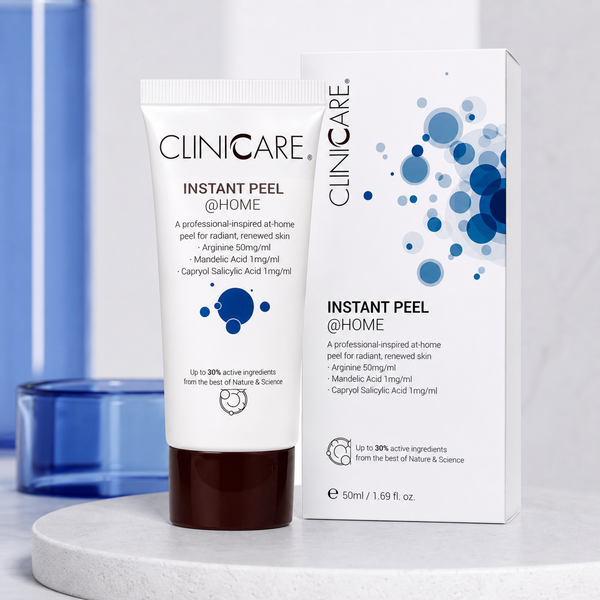 IngredientsWhat Is an At-Home Peel? ClinicCare Instant Peel @ Home, Explained
 Expert GuidesYour Best Anti-Ageing Product Isn't a Serum. It's SPF.
 Skin ConcernsPhyto Corrective with PDRN: How to Calm Redness and Sensitive Skin